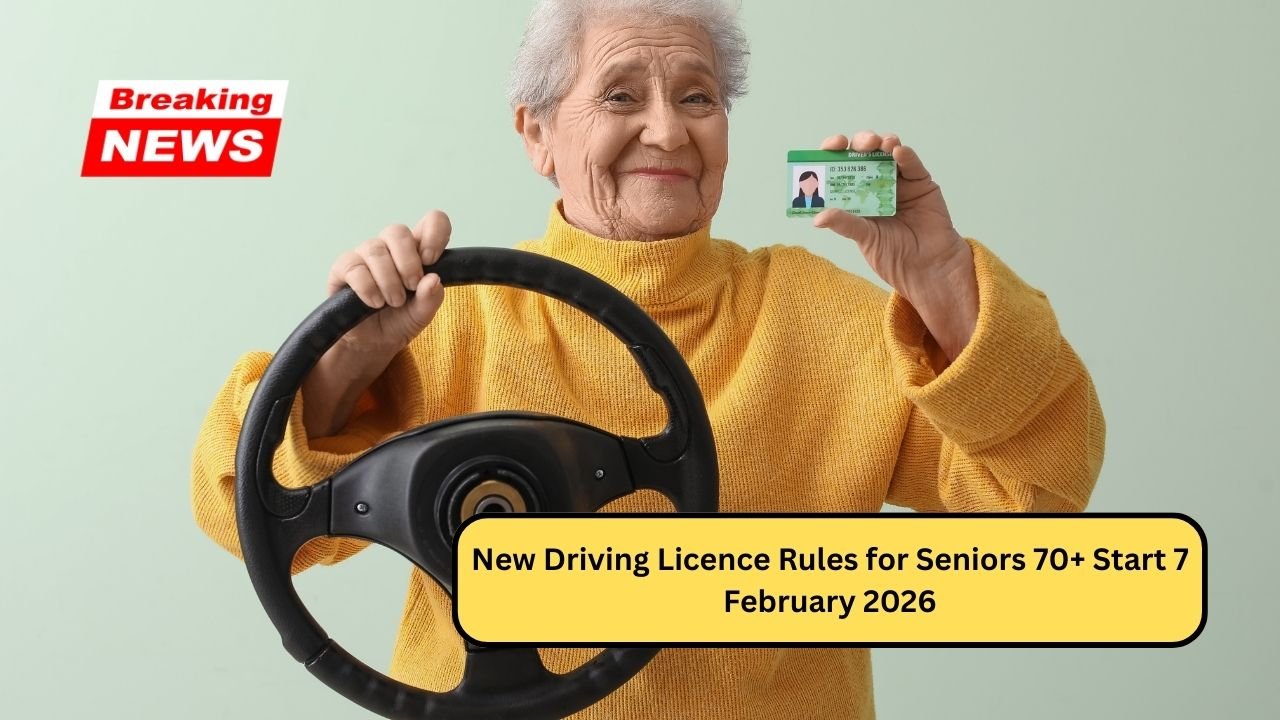
From 7 February 2026, Australia will introduce a significant update to driving licence rules for seniors aged 70 and over, reshaping how older drivers renew and maintain their licences. The reforms move away from age-based assumptions and automatic renewals, replacing them with a fitness-to-drive model that prioritises health, capability, and regular review.
The objective is clear: improve road safety while preserving independence for older Australians who remain capable drivers. With Australia’s ageing population and increasing numbers of senior motorists, the updated rules aim to reflect modern realities rather than outdated age thresholds.
Why Australia Is Changing Senior Licence Rules
Australia’s population is ageing rapidly, and many people in their 70s, 80s, and beyond continue to live active, independent lives. Driving remains essential for accessing healthcare, maintaining social connections, and managing daily tasks—particularly in suburban and regional areas.
However, policymakers acknowledge that age-related health changes can affect driving ability over time. Vision decline, slower reaction times, mobility limitations, and the side effects of medication can all influence safety behind the wheel. While age alone does not determine competence, existing renewal systems were seen as insufficiently responsive to changing health conditions.
The new rules adopt a health-based approach, assessing driving capability through regular reviews rather than relying solely on chronological age. This aims to protect all road users without unfairly restricting capable seniors.
Core Changes Starting February 2026
The updated framework for drivers aged 70+ is built around three key pillars.
1. Shorter Renewal Periods
Under previous arrangements, many seniors could renew licences for long periods with limited checks. From February 2026, licence validity for drivers aged 70 and above will generally be reduced to one- to three-year renewal cycles.
More frequent renewals allow transport authorities to identify emerging health or vision issues earlier, reducing the risk of unsafe driving going unnoticed for extended periods.
2. Mandatory Medical Fitness Assessments
Medical assessments will become a central requirement of licence renewal for seniors. Drivers aged 70+ will need to provide a medical fitness-to-drive certificate, typically completed by a general practitioner or relevant specialist.
Assessments focus on practical driving-related health factors, including:
- Vision and eye health
- Reaction time and physical mobility
- Chronic conditions such as diabetes, heart disease, or neurological issues
- Medication side effects that may impair alertness or coordination
The intent is not to remove licences unnecessarily, but to identify risks early and manage them appropriately.
3. Conditional Licences Where Needed
Seniors who meet medical and vision standards will continue to receive unrestricted licences. Where minor concerns exist, authorities may issue conditional licences rather than cancelling driving privileges entirely.
Conditions may include:
- Daylight-only driving
- Local-area restrictions
- Avoidance of high-speed roads or night driving
This approach supports independence while addressing specific safety concerns in a proportionate way.
How Rules Differ Across States and Territories
Driver licensing in Australia is managed at the state and territory level, so implementation details vary.
- In New South Wales, drivers aged 70–74 may not automatically require medical checks, but requirements increase from age 75 onward, with tailored assessments.
- Victoria does not impose mandatory age-based testing but places strong emphasis on self-reporting medical conditions and fitness to drive.
- Queensland requires drivers aged 75+ to carry a current medical certificate while driving.
- Other states and territories apply similar health-based requirements, often triggered by age thresholds or medical disclosures.
Because of these variations, seniors should check their local authority, such as Service NSW, VicRoads, or the relevant state transport department, for precise requirements.
Preparing for the New Rules
Early preparation is the best way to avoid disruption once the new rules take effect.
Senior drivers should:
- Check licence expiry dates well in advance
- Schedule medical and vision assessments early
- Keep health records and certificates organised
- Update contact details with their licensing authority
Planning ahead reduces the risk of licence lapses, which can result in fines or unintentional unlicensed driving.
How the Reforms Balance Safety and Independence
A key strength of the 2026 reforms is their emphasis on functional ability rather than age alone. Many seniors remain safe drivers for decades, and the new system recognises this reality.
At the same time, regular assessments provide reassurance to families and the wider community that potential risks are being actively managed. The goal is not restriction, but safe continuity of mobility wherever possible.
What the New Rules Do Not Do
It is important to address common misconceptions:
- There is no automatic driving ban for people aged 70+
- Licences are not cancelled solely due to age
- Practical driving tests are not mandatory for all seniors, only when concerns arise
These clarifications are crucial in preventing unnecessary anxiety among older drivers.
Key Takeaways
- New senior driving licence rules start 7 February 2026
- Drivers aged 70+ face shorter renewal periods and structured health assessments
- Medical fitness certificates and vision checks are central to renewals
- Conditional licences allow continued driving with appropriate safeguards
- Rules vary by state but share a safety-first, independence-focused approach
Conclusion
The new driving licence rules for seniors mark a major shift in how Australia approaches older driver safety. By focusing on health, capability, and regular review, the system moves beyond age-based assumptions and toward a fairer, more practical framework.
For senior Australians, the message is reassuring: capable drivers can remain on the road, provided they meet clear and reasonable standards. With preparation and awareness, older drivers and their families can navigate the changes confidently and continue to enjoy safe, independent mobility well beyond 2026.